

The psychology behind high-stakes gambling Understanding the thrill and risk
The Allure of High-Stakes Gambling
High-stakes gambling captivates many, offering an intoxicating blend of excitement and risk. The adrenaline rush that comes from wagering significant amounts of money can lead to a euphoric state, making the experience addictive for some players. For many, the appeal lies not only in the possibility of winning large sums but also in the thrill of engaging in a game where the stakes are notably higher than in regular gambling. You can find more insights on no ID verification casino options at https://nrlrush.ca/.
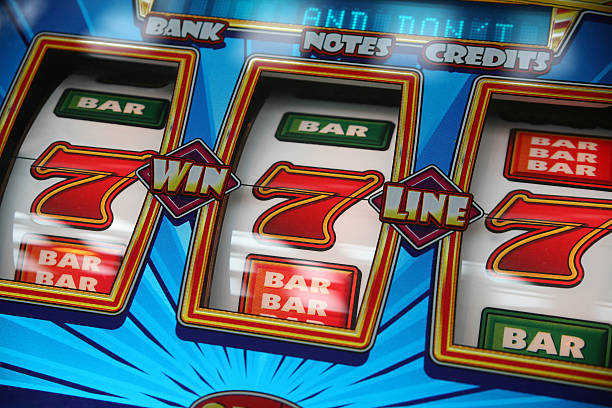
This allure is partly rooted in the psychology of risk-taking. Individuals often perceive high-stakes gambling as a way to test their luck and skill, as well as a means to escape the mundane aspects of everyday life. In casinos, the atmosphere, designed to heighten anticipation and excitement, plays a vital role in drawing players into this world. The sights, sounds, and even scents within a casino environment are carefully curated to enhance the gambling experience, intensifying the emotional responses of players.
Moreover, the social component cannot be overlooked. High-stakes tables attract a specific crowd, often composed of individuals who thrive on competition and social validation. The camaraderie and rivalry among players can enhance the overall experience, creating a sense of belonging to an exclusive community that shares the same passion for risk. This environment fosters excitement and encourages individuals to push their limits further, often leading to larger bets and greater emotional stakes.
The Psychology of Risk and Reward
The fundamental principles of risk and reward play a significant role in high-stakes gambling. Players often weigh the potential rewards against the inherent risks involved in their decisions. This process can be heavily influenced by cognitive biases, such as the gambler’s fallacy, where individuals believe past events affect future outcomes. This can lead to distorted perceptions of probability, driving players to make riskier bets based on misconceptions about luck and winning streaks.
Additionally, the concept of loss aversion is paramount in understanding high-stakes gambling behavior. Research indicates that individuals are generally more motivated to avoid losses than to acquire gains. As a result, players might increase their wagers after a loss in hopes of reclaiming their previous losses, leading to a cycle of escalating bets and heightened emotions. This often results in significant financial consequences, as the desire to recover losses can cloud judgment and lead to irrational decision-making.
The interplay between excitement and anxiety is another psychological factor at play. High-stakes gambling can elicit a spectrum of emotions, from exhilaration to despair. This emotional rollercoaster can be addictive, as the brain releases dopamine in response to both wins and losses. The anticipation of a potential win triggers a surge of excitement, while the fear of losing can create anxiety. This duality of emotions often compels players to seek out the thrill of gambling, even when aware of the associated risks.
The Impact of Environment on Gambling Behavior
The environment in which high-stakes gambling occurs significantly influences player behavior. Casinos are intentionally designed to create a sense of excitement and urgency, employing bright lights, loud sounds, and an atmosphere of exclusivity. These elements serve to stimulate the senses and promote prolonged engagement, making it easier for players to lose track of time and money.
Moreover, the layout of a casino can encourage high-stakes gambling by placing high-limit tables in prominent locations, where they attract the attention of other players. Observing others win large sums can provoke a desire to join in and experience the thrill firsthand. This phenomenon is known as social proof, where individuals are influenced by the behaviors and experiences of those around them, often leading them to engage in riskier behaviors themselves.
Furthermore, the presence of alcohol and other stimulants within the casino environment can impair judgment, leading players to make impulsive decisions regarding their bets. When players are under the influence, they may disregard their financial limits and engage in betting behavior that they would typically avoid. This combination of environmental factors creates a breeding ground for high-stakes gambling behavior, making it vital for individuals to remain aware of their surroundings and maintain control over their choices.
The Role of Personal Factors in Gambling Behavior
Personal factors also play a critical role in high-stakes gambling, as individual differences can shape how someone approaches risk and reward. Traits such as impulsivity, thrill-seeking, and emotional stability can significantly influence gambling behavior. Individuals with high levels of impulsivity may be more prone to engage in high-stakes gambling as they chase the immediate gratification that comes with the thrill of betting large sums.
Additionally, personal background and life experiences can inform an individual’s relationship with gambling. For instance, those raised in environments where gambling was a common activity may develop a more casual attitude towards risk, perceiving high-stakes gambling as a standard form of entertainment. This normalization can lead to a propensity for greater risk-taking, further complicating the decision-making process when it comes to placing bets.
Understanding the psychological factors at play can empower individuals to make more informed decisions about their gambling behavior. Recognizing one’s personal tendencies and triggers can be crucial in managing risks associated with high-stakes gambling. Developing self-awareness and implementing strategies for responsible gambling can help mitigate the potential negative consequences of engaging in high-stakes betting.

Exploring Anonymous Gaming Options
For those interested in the world of gambling without the complications of identity verification, various anonymous gaming options are available. These platforms cater to players who prefer seamless experiences without the need for extensive personal information. Such casinos often allow instant sign-ups, enabling players to dive directly into their favorite games, including high-stakes options, without the hassle of document verification.
These no verification casino options provide a wide array of games, from slots to live dealer options, all designed to enhance the gaming experience. Players can enjoy their gambling without the burdens associated with traditional platforms, making it an attractive option for those who prioritize privacy and quick access. Additionally, these platforms often feature diverse payment methods, including cryptocurrencies, further enhancing convenience and anonymity.
As the gaming landscape continues to evolve, it is essential for players to remain informed about their options. Understanding the nuances of anonymous gaming can empower individuals to make better decisions that suit their preferences and gambling style. Ultimately, whether engaging in high-stakes betting or casual play, knowledge and awareness of the available platforms contribute significantly to a safe and enjoyable gambling experience.